If you want to plan your year at a glance, the goal is not just to fill a calendar. It is to create one clear annual view for priorities, deadlines, appointments, seasonal plans, and long-term goals. For many people in the U.S., that means coordinating work projects, school dates, family events, travel, budgeting periods, and personal goals in one place instead of spreading them across scattered notes and apps.
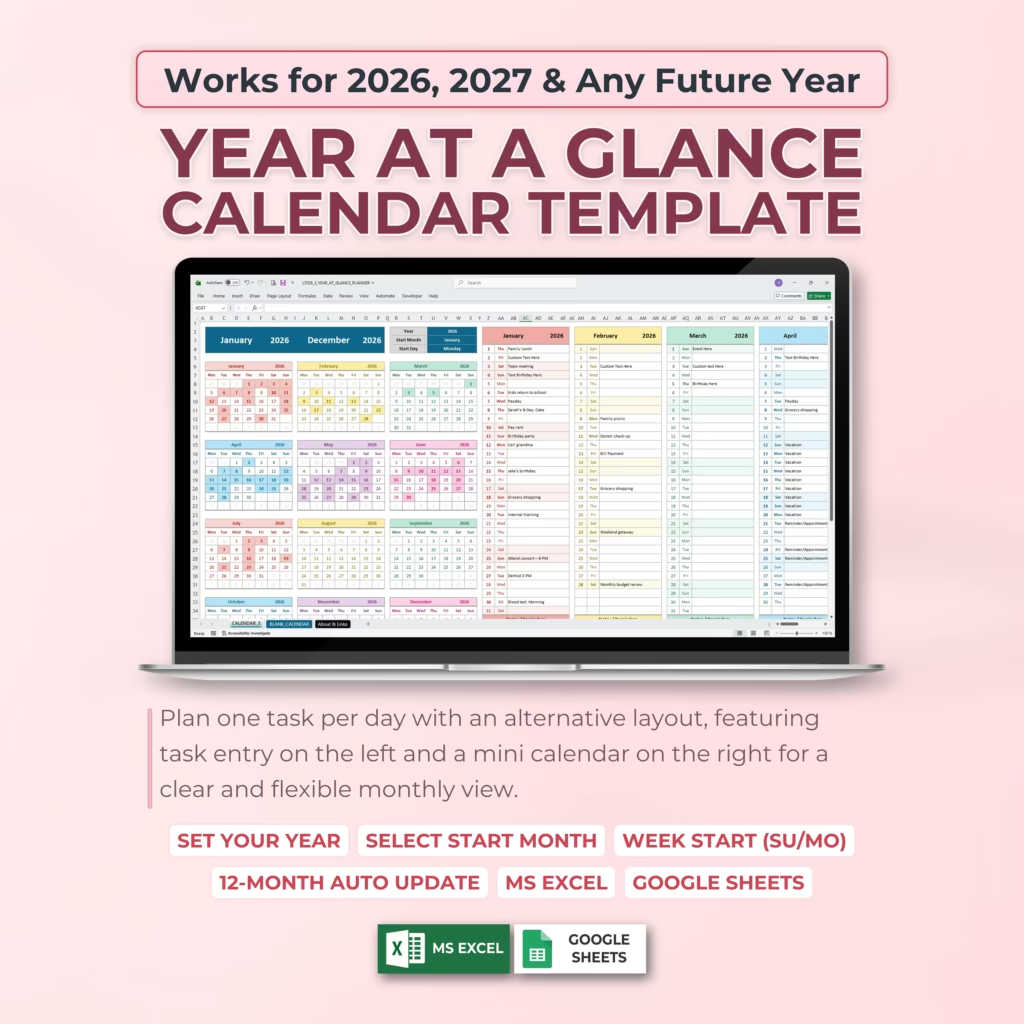
A year at a glance calendar template for Excel or Google Sheets makes that easier because you can start with a ready-made layout instead of building an annual planner from scratch. If you are comparing yearly planner templates online, the most useful option is usually the one that helps you see the big picture first and then turn it into monthly action.
Year at a glance templates you can use right away
- Year at a Glance Calendar Planner – Template 1
- Year at a Glance Calendar Planner – Template 2
- Year at a Glance Calendar Planner – Template 3
- Year at a Glance Calendar Planner – Template 4
- Full Year Organizer Bundle – 4 Year at a Glance Calendar Templates
Why yearly planning helps
Without an annual view, it is easy to overcommit in the short term and lose sight of bigger priorities. A year-at-a-glance planner gives you one place to map what matters most, spot crowded months, and protect time for the projects or goals that should not be decided only week by week.
For personal use, the same principle applies. A yearly planner template can help you balance appointments, projects, routines, travel, school terms, and family commitments without relying only on memory.
Start with the big picture
The first step in annual planning is to identify the areas that matter most this year. That might include work, family, health, finances, education, content creation, or personal projects. Once those categories are clear, your yearly calendar becomes more useful because it is organizing real priorities instead of random dates.
Add major dates, seasons, and milestones
Place the fixed points first: travel, launches, exams, holidays, birthdays, renewals, school breaks, and major deadlines. A year at a glance spreadsheet is helpful because it shows where events cluster. You can quickly see when one quarter is overloaded, when a quieter month is better for a project, or when a big goal should be broken into phases.
Turn annual goals into monthly and weekly actions
A yearly plan should not stay abstract. Once the annual view is mapped, decide what belongs this quarter, what belongs this month, and what should happen this week. That is where a year at a glance calendar template becomes more than a visual overview. It becomes the bridge between long-term planning and daily execution.
Choose a layout that matches how you plan
Some people want one line per day. Others need more visual spacing, multiple mini calendars, or a layout that works well for annual goals and seasonal planning. That is why comparing a few different yearly planner templates can be useful before choosing one. The best format is the one you will actually keep visible and update regularly.
When a ready-made year at a glance template is the better option
If you are searching for a year at a glance calendar template, yearly planner Excel template, or Google Sheets annual planner, you are probably looking for speed and clarity, not a DIY spreadsheet project. A ready-made template helps you start planning immediately, reuse the file every year, and keep your annual view more organized from the beginning.
That is especially useful for buyers who want a practical planner for business planning, family scheduling, academic planning, or personal goal tracking without building formulas, formatting months, or designing layouts manually.
Review the year regularly
A year-at-a-glance plan should stay active, not decorative. A simple rhythm works well:
- review the year monthly
- update the next month in more detail
- adjust priorities when needed
- keep the annual view visible
That way, the planner stays useful instead of becoming something you fill out once and forget.
Final thoughts
If you want to plan your year at a glance, start with your biggest priorities, place your key dates and milestones, and then connect that annual view to your monthly and weekly planning. And if you want to skip setup time, Templates Prime offers planner templates for Excel and Google Sheets that make it easier to start with a structure that is already built for real use.